The head spa originated in Japanese and Korean wellness culture as a professional treatment — a multi-step scalp ritual combining deep cleansing, exfoliation, oil application, and extended scalp massage delivered in a salon environment. It has since become one of the most viral haircare trends on social media, driven by ASMR-style videos of the process that have accumulated hundreds of millions of views.
The virality is partly aesthetic — the sensory elements of the treatment translate well to video. But the underlying logic is well-supported. Each component of a proper head spa has a documented mechanism of action, and the combination produces outcomes for scalp health and hair quality that go beyond what standard shampoo-and-condition routines can achieve. The professional version is not required. A full head spa experience can be replicated at home with the right products and a consistent approach.
What a head spa is actually doing
A professional head spa typically involves five stages:
- Scalp analysis — assessing the scalp condition to guide product selection (oiliness, dryness, sensitivity, presence of buildup or inflammation)
- Pre-treatment oil application — a scalp oil or treatment applied to dry hair to soften buildup and protect the barrier before cleansing
- Scalp exfoliation — physical or chemical exfoliation to remove dead skin cells, oxidized sebum, and product residue
- Scalp cleansing — deep cleanse to remove loosened debris
- Scalp massage with treatment — extended massage with a scalp serum or treatment oil applied to the clean scalp, targeting circulation and delivering actives
Each of these stages has a specific function. Skipping or compressing them reduces the outcome.
The science of scalp massage
Scalp massage is the component of the head spa with the strongest direct research support. A 2016 study by Koyama et al., published in ePlasty, examined the effects of standardized scalp massage on hair thickness. Twenty-two healthy male subjects received a 4-minute daily scalp massage using a standardized device over 24 weeks. At the end of the study period, hair shaft thickness had increased significantly compared to baseline, with no change in hair growth rate. The proposed mechanism is stretching forces applied to dermal papilla cells — the cells at the base of the follicle that govern hair shaft production — stimulating them to upregulate genes associated with hair growth and thickness.
A follow-up survey-based study by the same team found that self-administered scalp massage over similar durations produced self-reported improvements in hair thickness and reduced hair loss in a majority of participants.
The practical implication: scalp massage does not need to be performed by a professional to produce results. Four minutes of consistent daily massage — with fingertips or a scalp massager tool — is sufficient to replicate the stimulus used in the research.
How to do a head spa at home
Step 1: Pre-treatment (20–30 minutes before washing)
Apply a scalp oil to dry hair, parting the hair into sections to ensure full scalp coverage. Lightweight options: jojoba oil, squalane, or a dedicated scalp pre-treatment oil. Heavier options for drier scalps: camellia oil, argan oil. Apply a modest amount — enough to coat the scalp, not saturate it. Leave for a minimum of 20 minutes; up to an hour or overnight for very dry or compromised scalps. The oil softens sebum plugs and dead skin cell accumulation, making the exfoliation step more effective, and creates a protective barrier that reduces moisture loss during cleansing.
Step 2: Scalp exfoliation
Apply a scalp scrub or chemical exfoliant to the scalp before shampooing. For a physical scrub, use gentle circular motions with your fingertips for two to three minutes, focusing on areas of visible buildup or flaking (typically the crown and hairline). For a salicylic acid-based chemical exfoliant, apply and let it sit for five minutes before rinsing. Do not use both physical and chemical exfoliation in the same session.
Step 3: Double cleanse
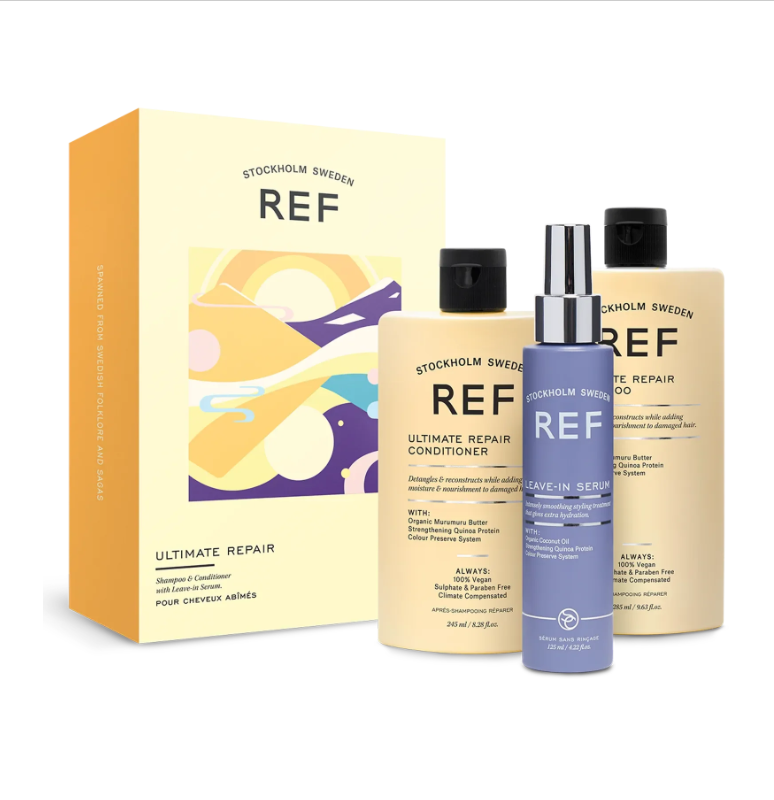
The first shampoo removes the oil and loosened surface debris. Rinse thoroughly. The second shampoo cleanses the scalp skin itself — it will lather more readily because most of the surface oil has been removed. Focus the second application on the scalp, massage for one to two minutes, and rinse completely with warm water.
Step 4: Scalp treatment and extended massage
Towel-dry hair until damp but not soaking. Apply a scalp serum, treatment essence, or lightweight scalp oil directly to the scalp in sections. Using your fingertips or a scalp massager, perform a slow, firm massage for four to six minutes. Work in circular motions across the entire scalp — not just the crown. Apply enough pressure to move the scalp skin (the scalp should move under your fingertips, not your fingers sliding over the hair). This is the stage most directly supported by the research on scalp massage and hair thickness.
Step 5: Strand care
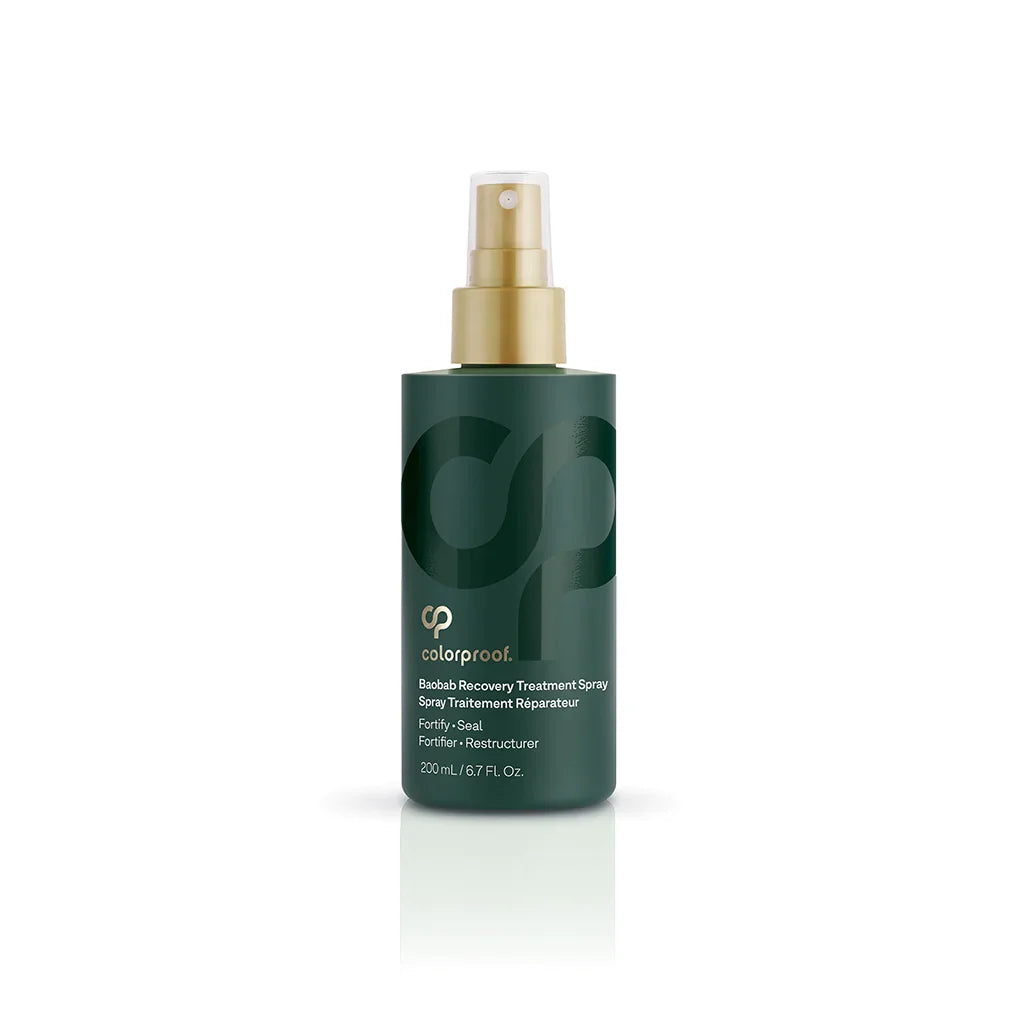
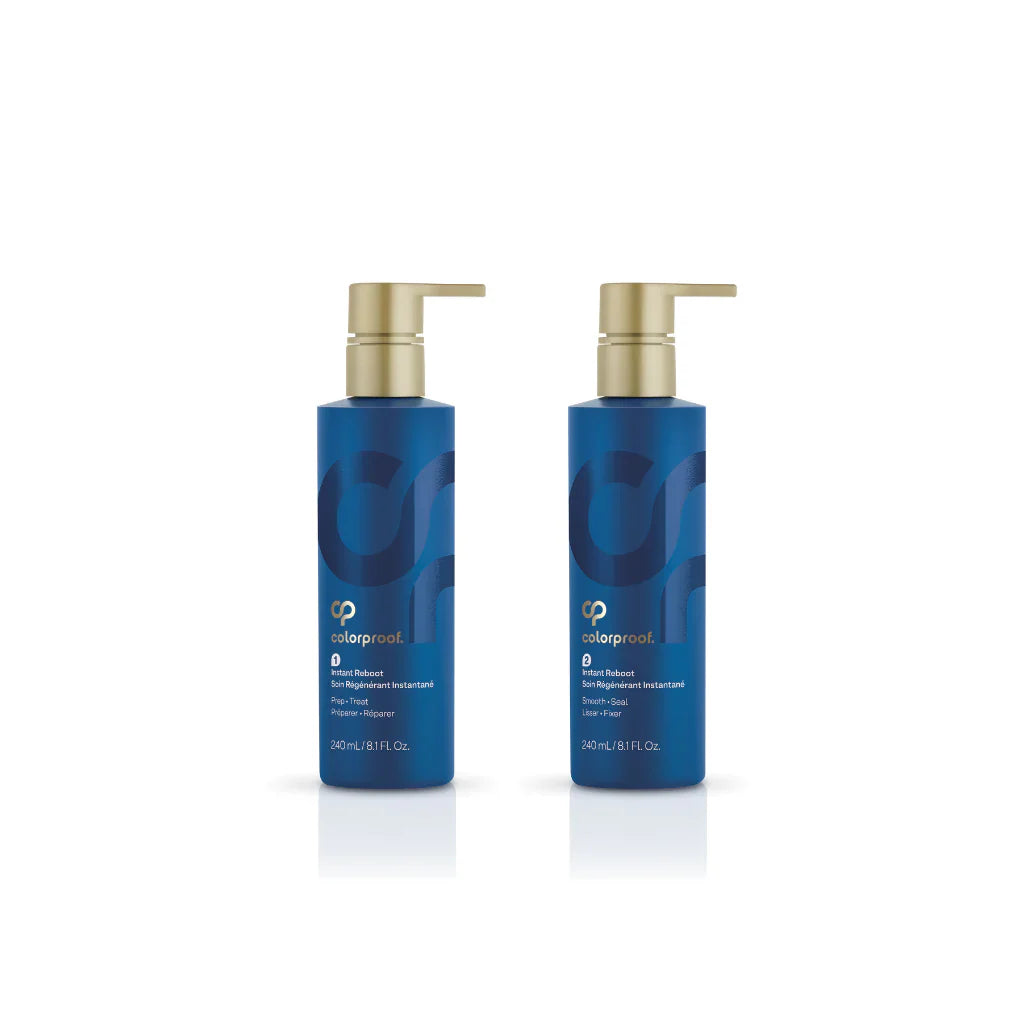
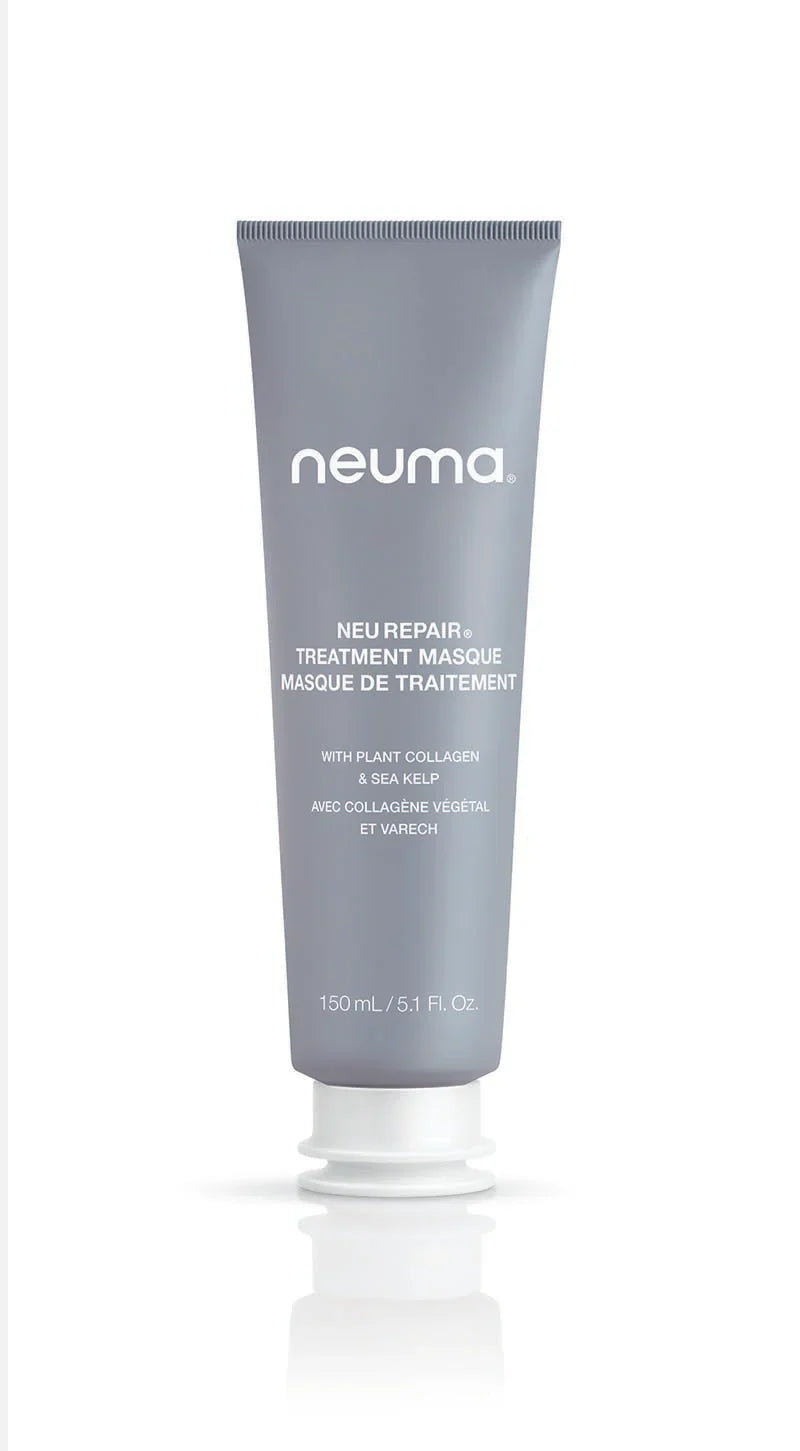
Apply a deep conditioning mask or protein treatment to the lengths (avoiding the scalp, which has already been treated). Leave for 10–20 minutes. For enhanced penetration, apply gentle heat — a warm towel wrapped around the hair, or a shower cap followed by a warm blow-dryer held at distance for a few minutes. Rinse with cool water to encourage cuticle closure.
Frequency and maintenance
A full head spa session is most effective once weekly for oily or scalp-issue-prone individuals, and every one to two weeks for normal to dry scalps. The scalp massage component — the highest-evidence step — is worth doing daily, even outside of full head spa sessions. Four minutes of dry scalp massage in the morning or before bed requires no product and produces cumulative results over weeks and months of consistent practice.
Sources
- Koyama T, et al. Standardized Scalp Massage Results in Increased Hair Thickness by Inducing Stretching Forces to Dermal Papilla Cells in the Subcutaneous Tissue. ePlasty. 2016;16:e8.
- English RS Jr, Barazesh JM. Self-assessments of standardized scalp massages for androgenic alopecia: survey results. Dermatology and Therapy. 2019;9(1):167–178.
- Gavazzoni Dias MF. Hair cosmetics: an overview. International Journal of Trichology. 2015;7(1):2–15.
- Schwartz JR, et al. A comprehensive pathophysiology of dandruff and seborrheic dermatitis. Acta Dermato-Venereologica. 2013;93(2):131–137.
Explore MDRN Beauty’s scalp care and treatment lineup here. For more routine guidance, visit the MDRN Edit.