K-beauty did not just change skincare. It changed what consumers expect from beauty — specifically, the expectation that routines should be intentional, ingredient-driven, and built around long-term skin health rather than short-term aesthetic results. Korean beauty culture introduced the Western market to double cleansing, essences, ampoules, sheet masks, and the concept of layering hydration rather than applying a single moisturizer and walking away.
The same transformation is now happening in haircare. Korean haircare has been significantly more advanced than US conventions for years — and the US market is finally catching up, largely because TikTok has made the gap visible.
The philosophy difference
American haircare has historically been product-led: find the shampoo that makes your hair look good and stick with it. Korean haircare is routine-led: build a systematic approach to scalp and strand health, and use multiple targeted products for different purposes within a single routine.
This distinction matters. A single-product approach asks one formula to do everything — cleanse, condition, treat, protect. No formula can do all of this well at once. Korean haircare separates the functions: a cleanser for cleansing, a treatment for the scalp, a conditioner for moisture, a serum for the lengths, an essence for shine and protection. Each product is smaller in scope and more effective at its specific job.
This is exactly the logic that skincare has already adopted in the US. The same consumer who uses a toner, serum, moisturizer, and SPF on their face in the morning is still using one shampoo and one conditioner on their hair — and wondering why their skin looks so much better than their hair.
The scalp-first approach
Korean haircare brands led the scalp skinification movement that is now the fastest-growing category in global haircare. Brands like Aromatica, Dr.G, Pyunkang Yul, and Anua were building dedicated scalp serums, scalp exfoliants, and scalp masks years before the concept entered mainstream Western haircare.
The core insight — that hair health begins at the scalp, and the scalp is skin that deserves skincare-level attention — is foundational to Korean haircare philosophy. Scalp exfoliation is standard practice. Leave-on scalp treatments are a separate step from shampoo. The distinction between scalp care and hair care is acknowledged and built into the product architecture.
The Western market’s growing scalp care category is essentially importing this framework. Briogeo, The Inkey List, and K18 are all Western brands that have built scalp lines using the same ingredient and format logic that Korean brands pioneered.
Fermented ingredients
Korean beauty has a long tradition of using fermented ingredients — fermented rice water, fermented camellia oil, fermented botanical extracts — in both skincare and haircare. Fermentation is not a trend; it is a centuries-old preservation and enhancement technique that makes active ingredients more bioavailable and potent by breaking them down into smaller molecular forms that penetrate more effectively.
Fermented rice water is the most recognizable example — a staple in Korean (and broader East Asian) hair care traditions that went viral on TikTok in recent years. The interest is legitimate: rice water contains inositol, a carbohydrate that penetrates the hair shaft and supports elasticity; amino acids that strengthen the cortex; and vitamins that support scalp health. The fermented version has a lower pH that better matches the hair’s natural acidity and smaller molecular compounds that absorb more effectively.
The broader category of fermented botanical extracts is now appearing in Western professional haircare as brands adopt the ingredient logic. Fermented extracts in this context function similarly to how concentrated actives function in skincare — smaller molecules, higher efficacy, gentler delivery.
The head spa movement
The “head spa” trend in Korean and Japanese beauty has been one of the most viral haircare phenomena on TikTok in 2025 and 2026. A head spa is a professional scalp treatment — typically involving deep scalp cleansing, exfoliation, oil treatment, and extended scalp massage — that is treated as a wellness ritual equivalent to a facial.
The US version of this has spread in two directions: professional salons adding head spa services as a distinct treatment category, and consumers recreating elements of the ritual at home using scalp scrubs, oils, and massage tools. Both are legitimate. The massage component specifically has documented evidence for improving scalp circulation and, over consistent practice, supporting hair thickness.
What to actually take from Korean haircare
You do not need 12 steps. You need the right principles applied intentionally:
- Scalp first. Treat the scalp as a separate zone from the lengths, with its own products and its own routine. A scalp serum is not optional if you care about hair health long-term.
- Separate your steps. Cleansing, scalp treatment, conditioning, and protecting are four different functions. Products that claim to do all four simultaneously do none of them as well as dedicated products.
- Layer from lightest to heaviest. The Korean skincare layering principle applies directly: apply watery, lightweight treatments first (scalp serum, essence) and seal with heavier products (oil, cream) after. Reversing this order prevents lighter actives from penetrating.
- Be consistent. Korean beauty philosophy emphasizes consistent daily practice over intensive occasional treatments. A scalp serum used every day for three months outperforms any single deep treatment applied occasionally.
- Look for fermented actives. Fermented rice water, fermented botanicals, and postbiotic ingredients are worth seeking out — they represent a formulation direction that has decades of tradition and growing scientific support behind it.
The brands bridging the gap
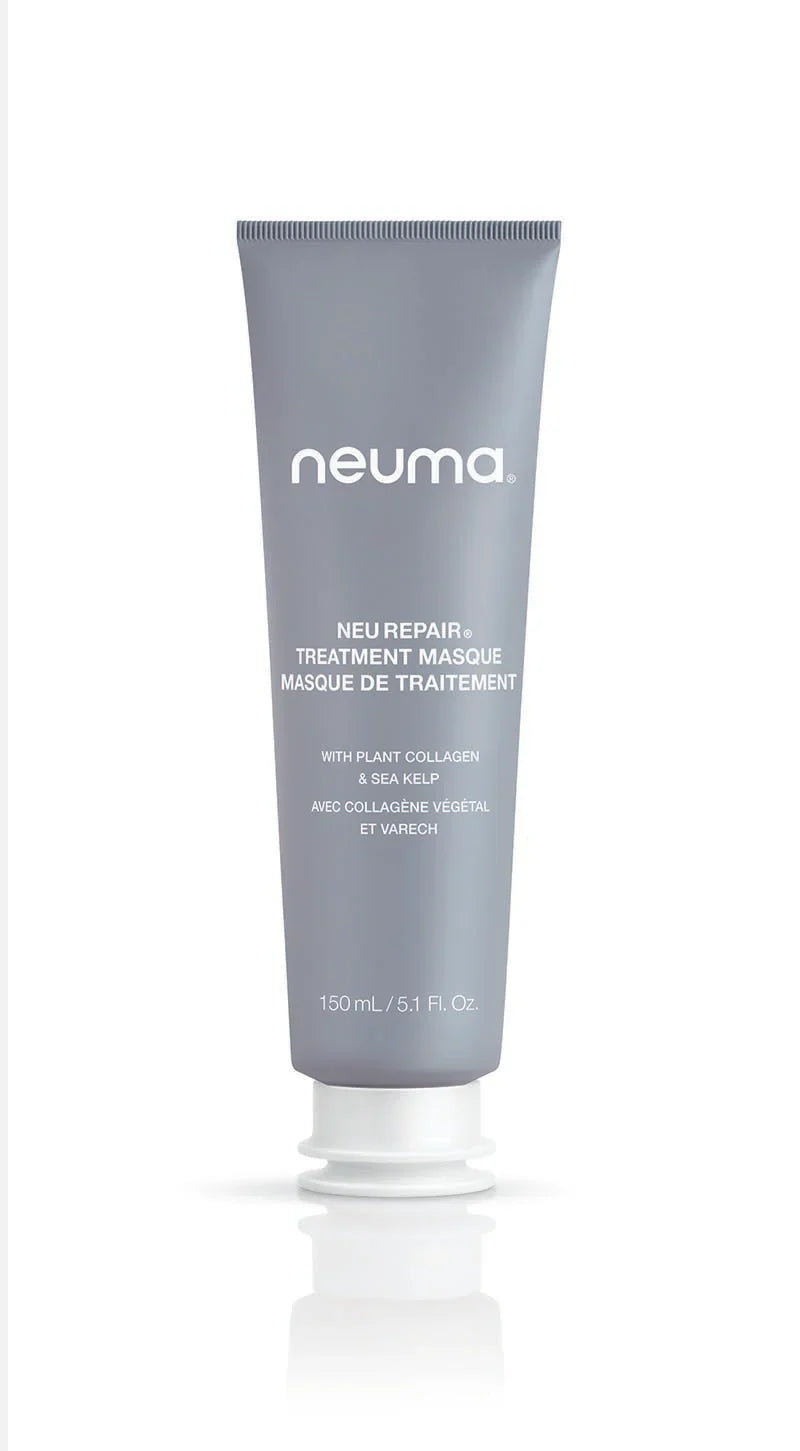
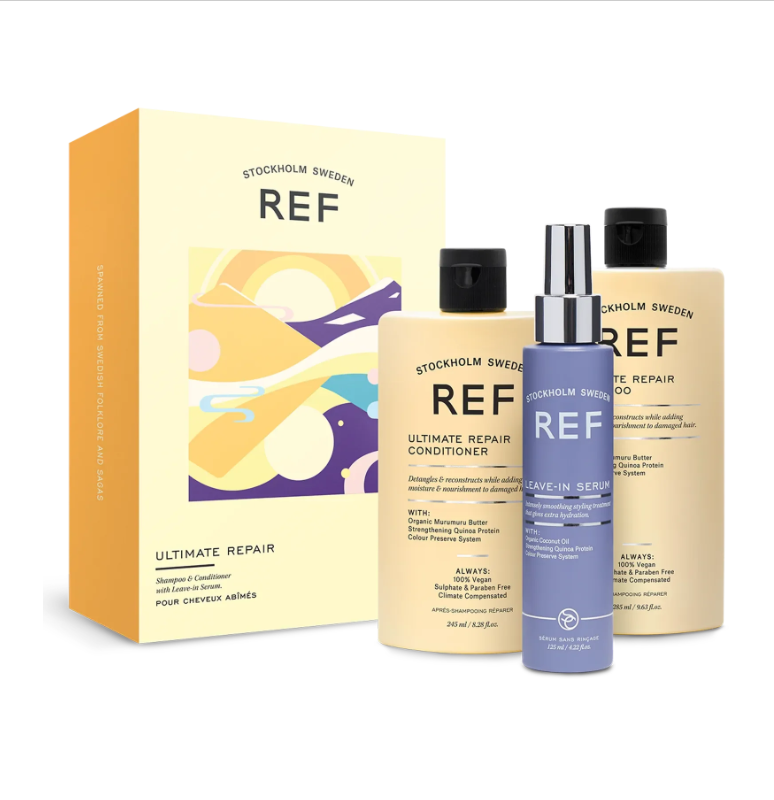
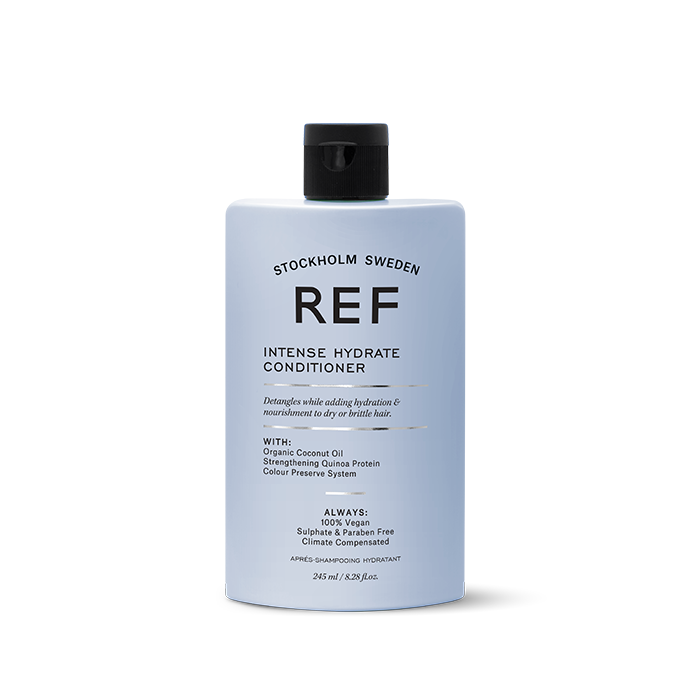
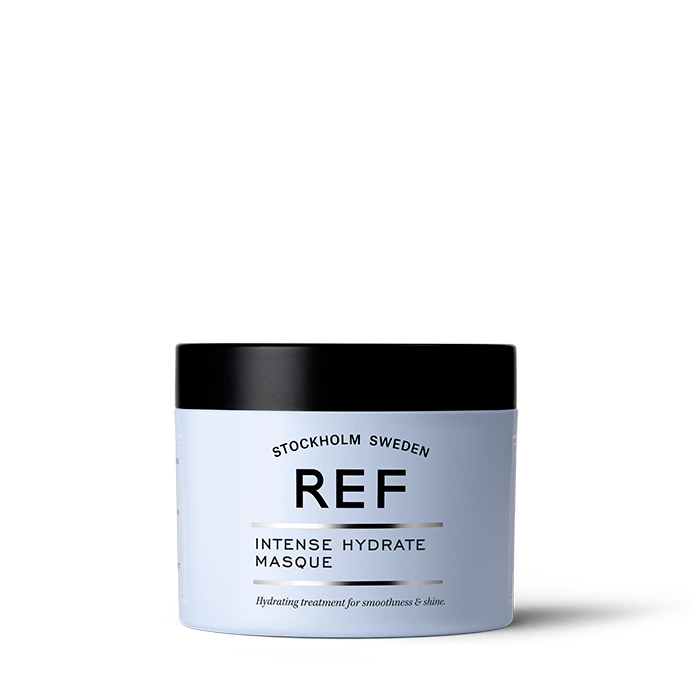
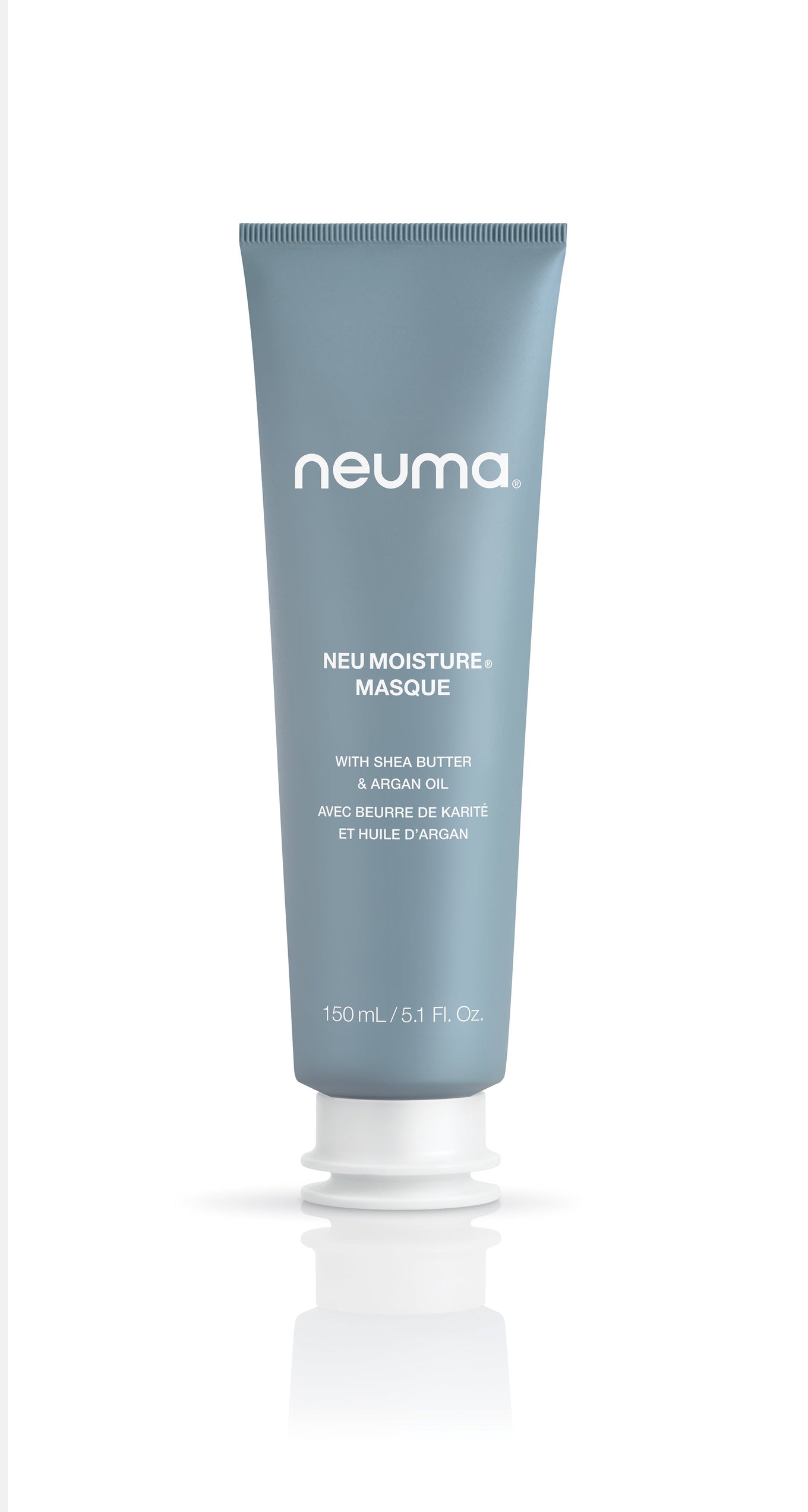
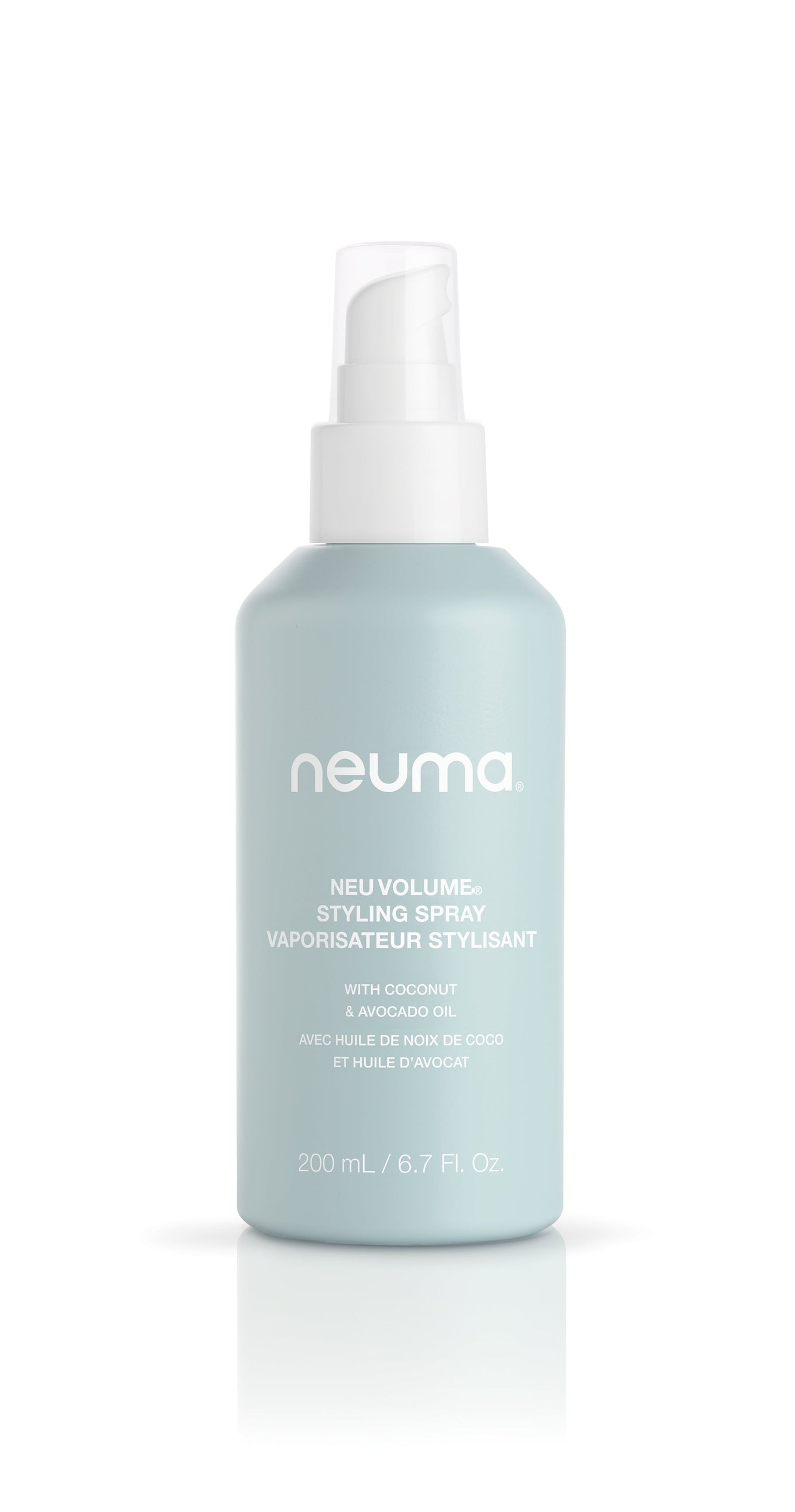
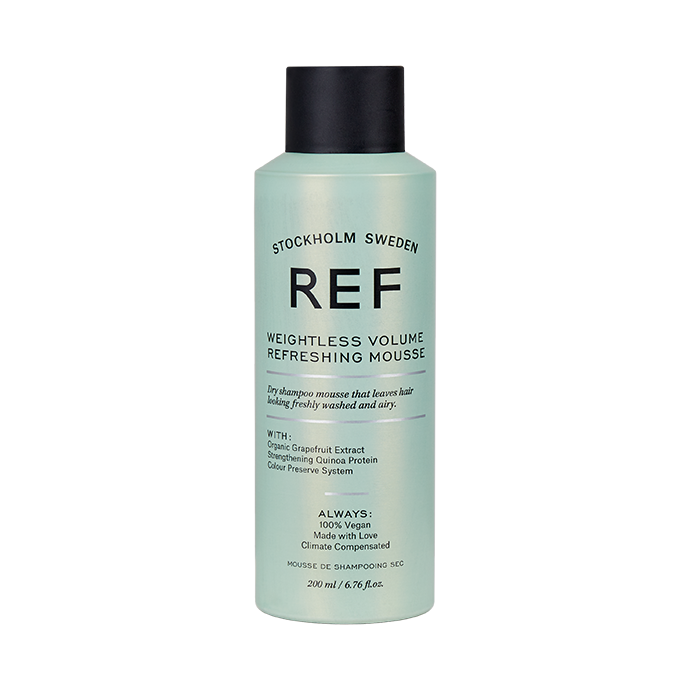
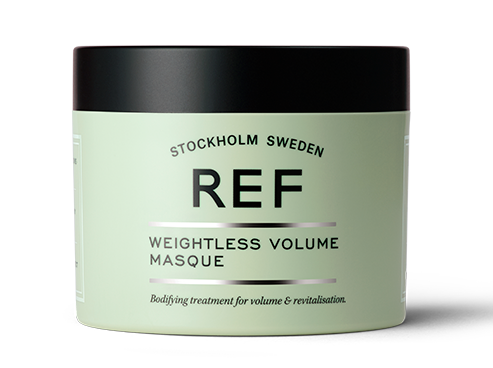
The clearest way to access K-beauty-influenced haircare in the US right now is through brands that have adopted the formulation philosophy even if they are not Korean in origin — clean European brands like REF and Neuma that share the same scalp-first, ingredient-integrity approach that defines the best of Korean haircare. The geography is different; the underlying philosophy is the same: hair health is built from the root, ingredient transparency matters, and routine consistency over time is what creates real results.
Sources
- Koyama T, et al. Standardized Scalp Massage Results in Increased Hair Thickness by Inducing Stretching Forces to Dermal Papilla Cells in the Subcutaneous Tissue. ePlasty. 2016;16:e8.
- Fujita R, et al. Hair damage control by an inositol-based conditioning system. International Journal of Cosmetic Science. 2007;29(3):243.
- Gavazzoni Dias MF. Hair cosmetics: an overview. International Journal of Trichology. 2015;7(1):2–15.
- Draelos ZD. Essentials of Hair Care often Neglected: Hair Cleansing. International Journal of Trichology. 2010;2(1):24–27.
- Lee WS. Photoaggravation of hair aging. International Journal of Trichology. 2009;1(2):94–99.
Explore the MDRN Beauty lineup — including scalp care, treatments, and routine essentials — here. New to MDRN? Start with our Edit blog for more routine guidance.