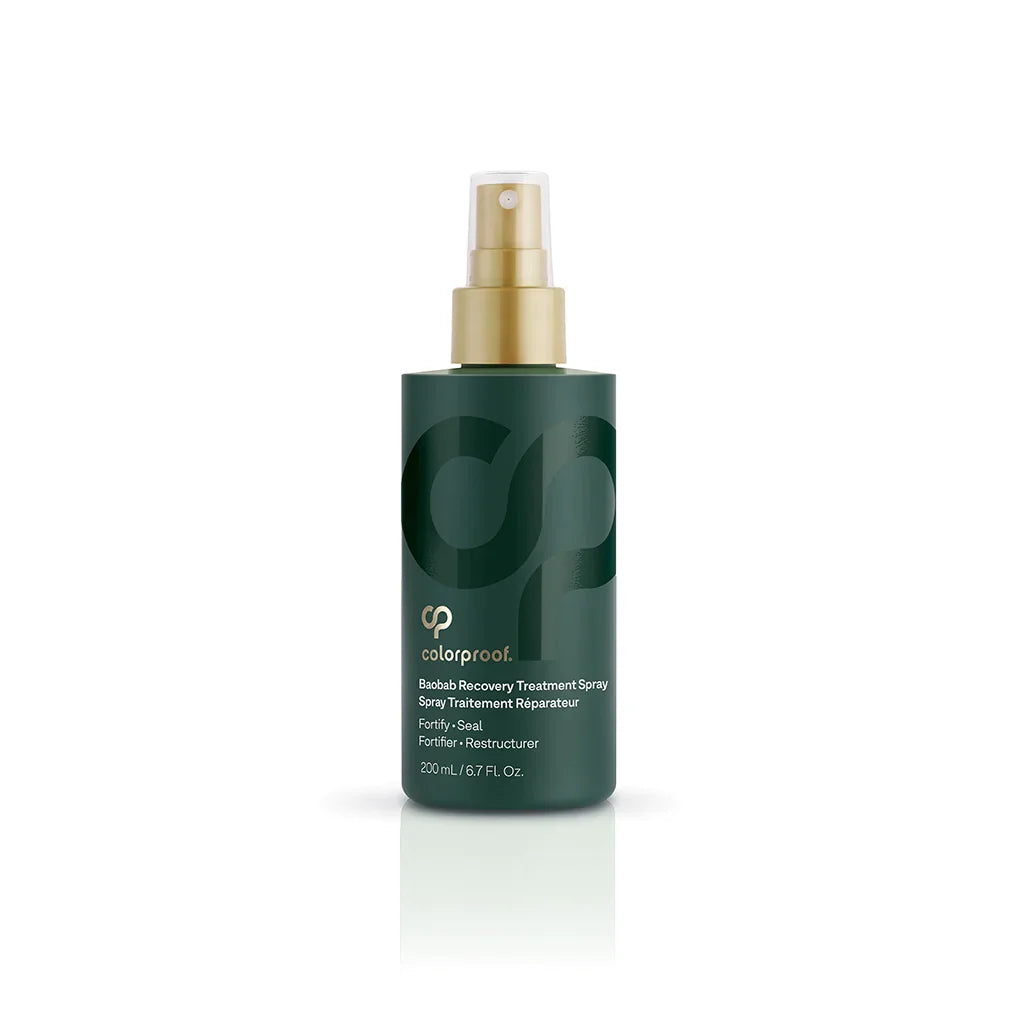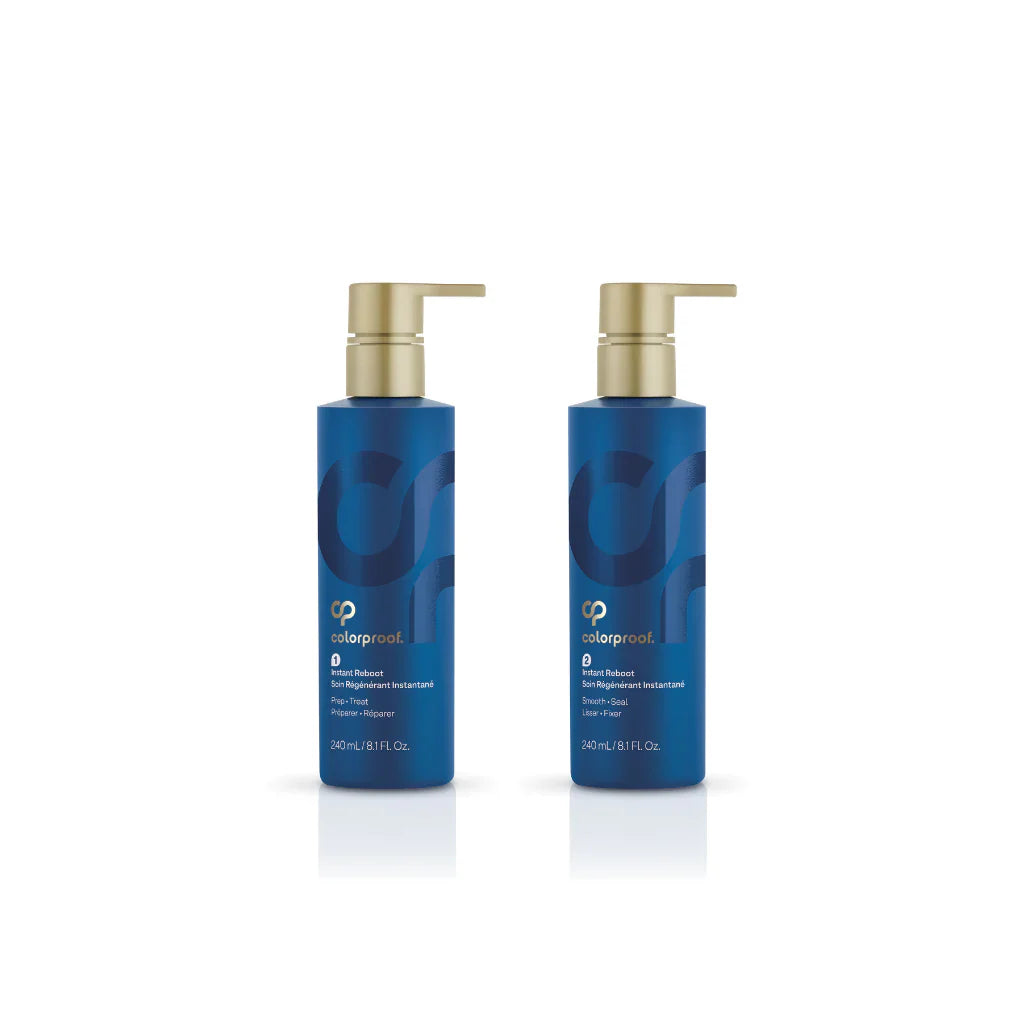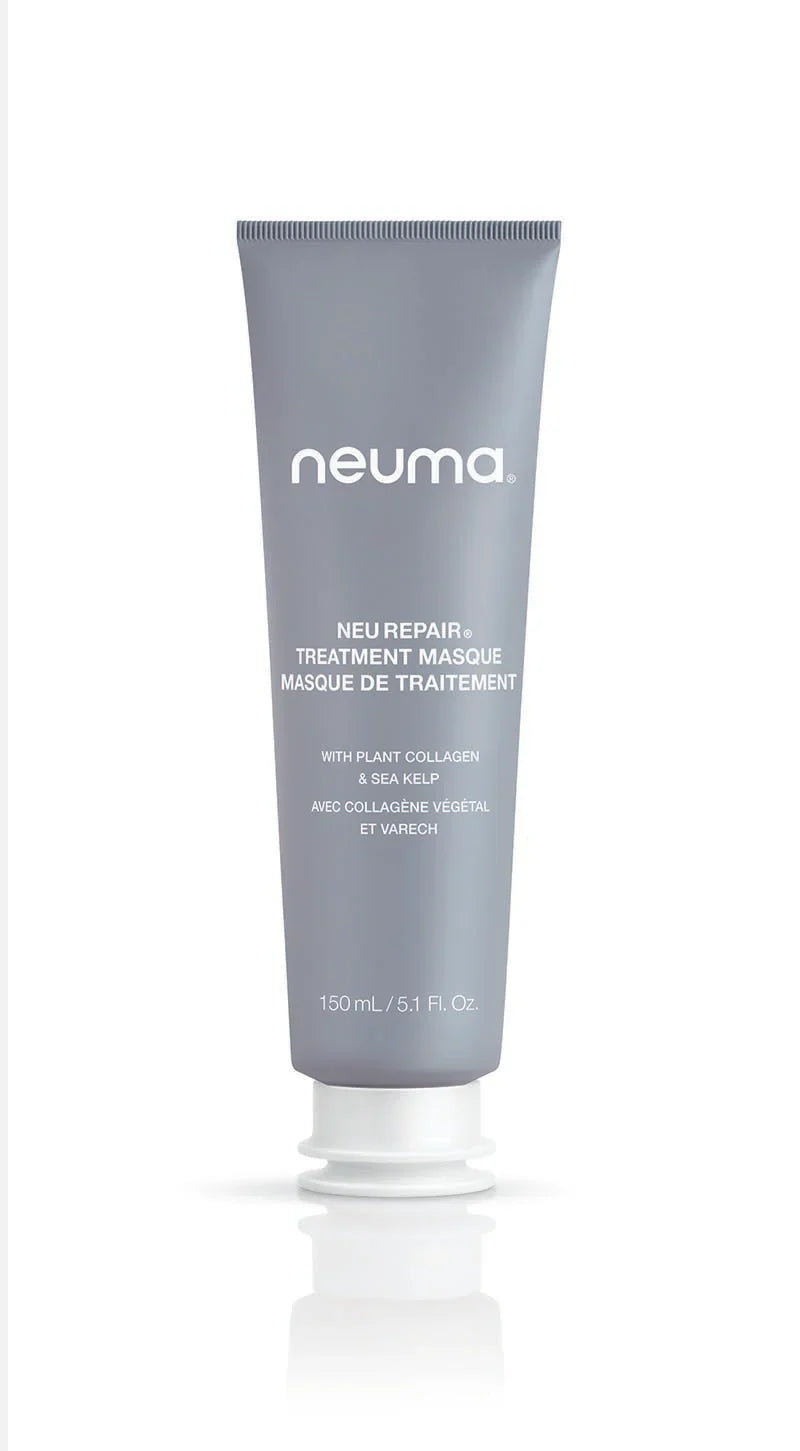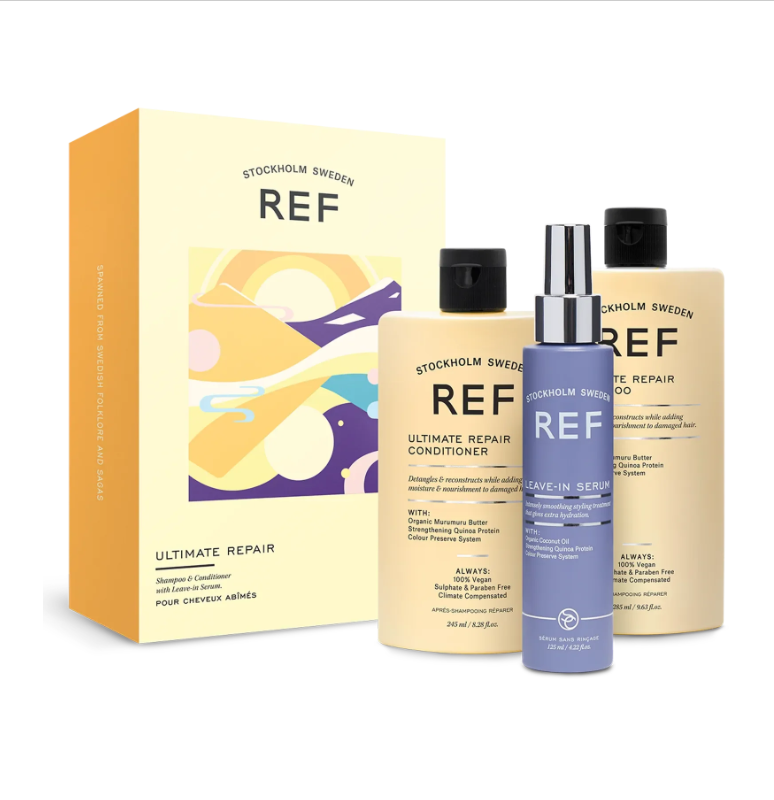
The words conditioner, mask, and treatment are used almost interchangeably in the haircare market. They should not be. These products work through fundamentally different mechanisms, at different depths within the hair shaft, and produce different outcomes. Using them as substitutes for one another is one of the most common reasons people with damaged or fragile hair feel stuck — conditioning reliably, treating rarely, and wondering why their hair isn’t improving.
What conditioner actually does
Standard rinse-out conditioner is a surface treatment. Its primary active ingredients are cationic (positively charged) surfactants — most commonly cetrimonium chloride, behentrimonium chloride, or behentrimonium methosulfate. These bind electrostatically to the negatively charged surface of the hair shaft, depositing a smooth, lubricating layer on the cuticle.
The effects are real and meaningful: reduced friction between strands, improved slip for detangling, reduced static, and a smoother cuticle surface that reflects light more uniformly (producing shine). But conditioner does not penetrate the cortex. It does not repair broken disulfide bonds. It does not rebuild protein structure or reverse chemical damage. It makes hair easier to manage and feel better — which matters — but it does not constitute treatment in a structural sense.
A leave-in conditioner works on the same principle, but remains on the hair after washing to continue providing surface slip and lightweight moisture protection. It is still a surface-level product.
What deep conditioning masks do
A deep conditioning mask typically contains a higher concentration of conditioning agents than a rinse-out conditioner, along with emollients such as oils or butters. Some masks also include humectants like glycerin or panthenol that draw moisture into the hair shaft by osmosis. The instruction to leave a mask on for 10–20 minutes rather than 2–3 minutes allows more time for these heavier ingredients to soften and coat the cuticle more thoroughly.
Deep masks are significantly more effective than standard conditioners at improving softness, manageability, and moisture for dry hair. They are still primarily surface treatments. The “deep” in deep conditioning refers to intensity of surface coating, not depth of structural penetration.
What protein treatments do
Protein treatments introduce hydrolyzed proteins — keratin, silk, wheat, collagen, or soy protein fragments broken into small enough molecular sizes to penetrate the cuticle and temporarily fill gaps and voids in the cortex. Hair that has been damaged by bleaching, color processing, heat, or mechanical stress has a cortex with structural gaps — missing or fractured protein bonds that compromise tensile strength and elasticity. Protein treatments fill these gaps temporarily, restoring some of the structural integrity that was lost.
The key word is temporarily. Hydrolyzed proteins do not form permanent bonds with the hair. They wash out over time, which is why protein treatments need to be repeated — typically every four to six weeks for moderately damaged hair, more frequently for heavily bleached or fragile hair.
Protein sensitivity is real: hair that already has sufficient protein structure, or hair that is protein-overloaded from frequent treatments, becomes stiff, brittle, and prone to breakage. Protein treatment frequency should be calibrated to damage level, not used indiscriminately.
What bond builders do
Bond-building treatments — Olaplex, K18, Wellaplex, Redken pH-Bonder, and others — represent the most structurally significant category of hair treatment. These products work at the level of the disulfide bonds within the cortex: the chemical crosslinks between keratin chains that give hair its strength and structure.
Chemical processes such as bleaching and permanent color involve breaking disulfide bonds to alter the hair’s structure. Some of these bonds reform; others are permanently lost or rearranged incorrectly. Bond builders use maleic acid derivatives or bioactive peptides to locate broken bond sites and reconnect them, effectively repairing damage at the molecular level rather than masking it.
K18, for example, uses a bioactive peptide that mimics the natural keratin sequence of the hair and physically reconnects broken alpha-keratin chains. Studies conducted by K18 using scanning electron microscopy and tensile testing showed measurable improvements in hair strength and elasticity after treatment. Olaplex’s active ingredient (bis-aminopropyl diglycol dimaleate) works by crosslinking broken disulfide bonds, with efficacy supported by independent peer-reviewed research.
How to build a complete treatment routine
- Every wash: Rinse-out conditioner. Baseline surface care, manageability, and protection.
- Weekly or biweekly: Deep conditioning mask. Enhanced moisture, softness, and surface coating for dry or textured hair.
- Monthly: Protein treatment. Structural filling of cortex voids, improved tensile strength. Calibrate frequency to damage level.
- As needed (especially before or after chemical services): Bond builder. Molecular-level repair of disulfide bonds. Use before bleaching to minimize damage and after to rebuild structure.
Sources
- Robins CR. Chemical and Physical Behavior of Human Hair. 5th ed. Springer; 2012.
- Signori V. Assessing the impact of hair care products on the hair fiber. Journal of Cosmetic Science. 2004;55(Suppl):S265–S278.
- Gal S, et al. Effect of a novel bond-forming treatment on hair tensile properties after oxidative treatment. Journal of Cosmetic Science. 2016;67(3):175–186.
- Bolduc C, Shapiro J. Hair care products: waving, straightening, conditioning, and coloring. Clinics in Dermatology. 2001;19(4):431–436.
Explore MDRN Beauty’s treatment lineup here. For more routine guidance, visit the MDRN Edit.