Skincare has been teaching the layering principle for years: apply products from lightest to heaviest, thinnest to thickest, water-based before oil-based. The logic is straightforward — heavier, occlusive products create a film on the surface that prevents lighter products applied afterward from reaching the skin. If you put your moisturizer on before your serum, the serum sits on top of the moisturizer and does very little.
The same physics applies to haircare. Most people apply products without thinking about order. The result is that some products do nothing — not because they are bad products, but because something applied before them is blocking penetration. Getting the order right is one of the cheapest and most impactful changes you can make to your routine without buying anything new.
Why order matters
Hair products work through two primary mechanisms: penetration (getting an ingredient inside the hair shaft or into the scalp skin) and surface coating (depositing a film on the cuticle or scalp surface). These two mechanisms are in direct competition. A product that coats the cuticle effectively blocks anything applied after it from penetrating. The correct layering sequence ensures that penetrating products go on first, and sealing or coating products go on last.
The molecular weight of ingredients also matters. Lower molecular weight compounds — small enough to pass through the cuticle — need to be applied to a clean, uncoated surface. High molecular weight polymers, silicones, and most heavy oils remain on the surface regardless of order, but they impede smaller molecules that follow them.
The correct layering sequence
Step 1: Cleanse (shampoo)
The shampoo step is not just about removing dirt — it is about removing the product residue from the previous routine so that today's products can actually reach the hair. A clean surface is the baseline that makes everything else work. Focus shampoo on the scalp; the lengths are cleansed by the rinse.
Step 2: In-shower treatment (protein or bond treatment)
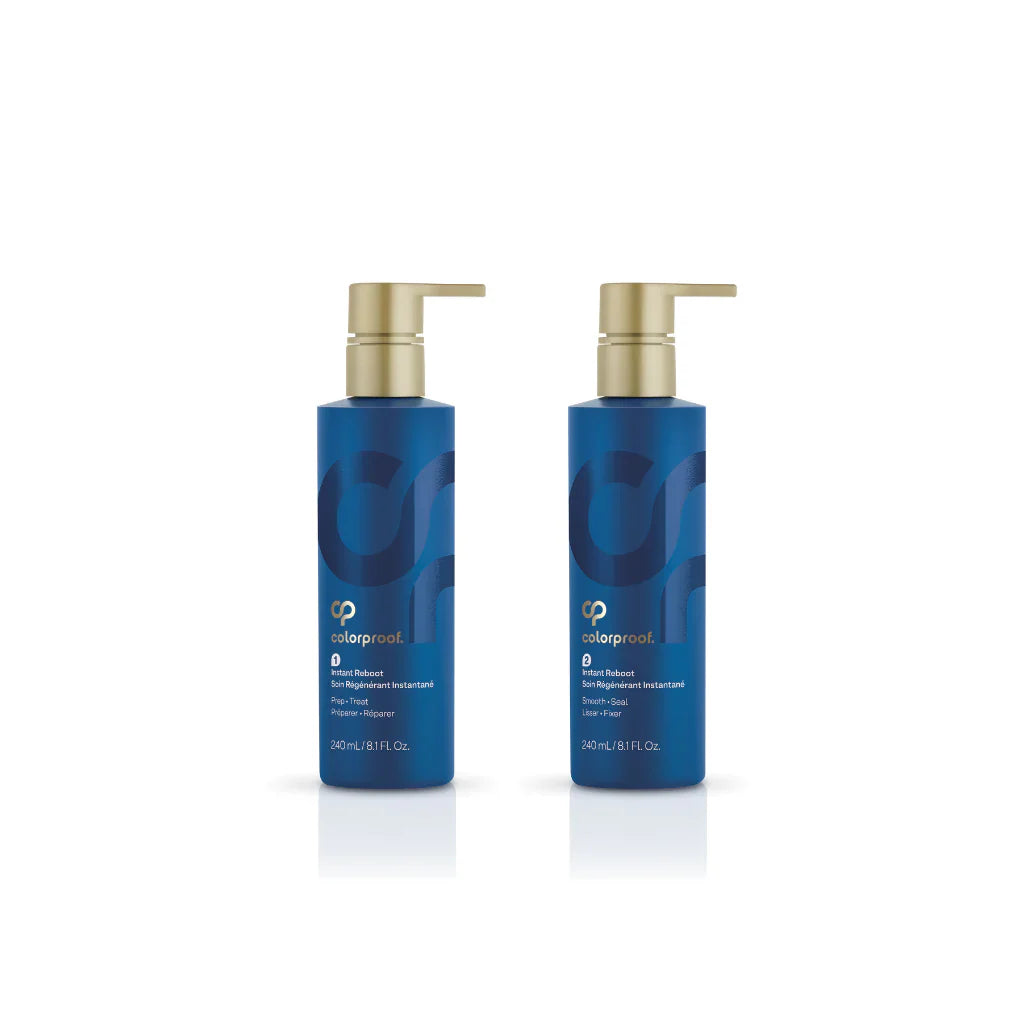
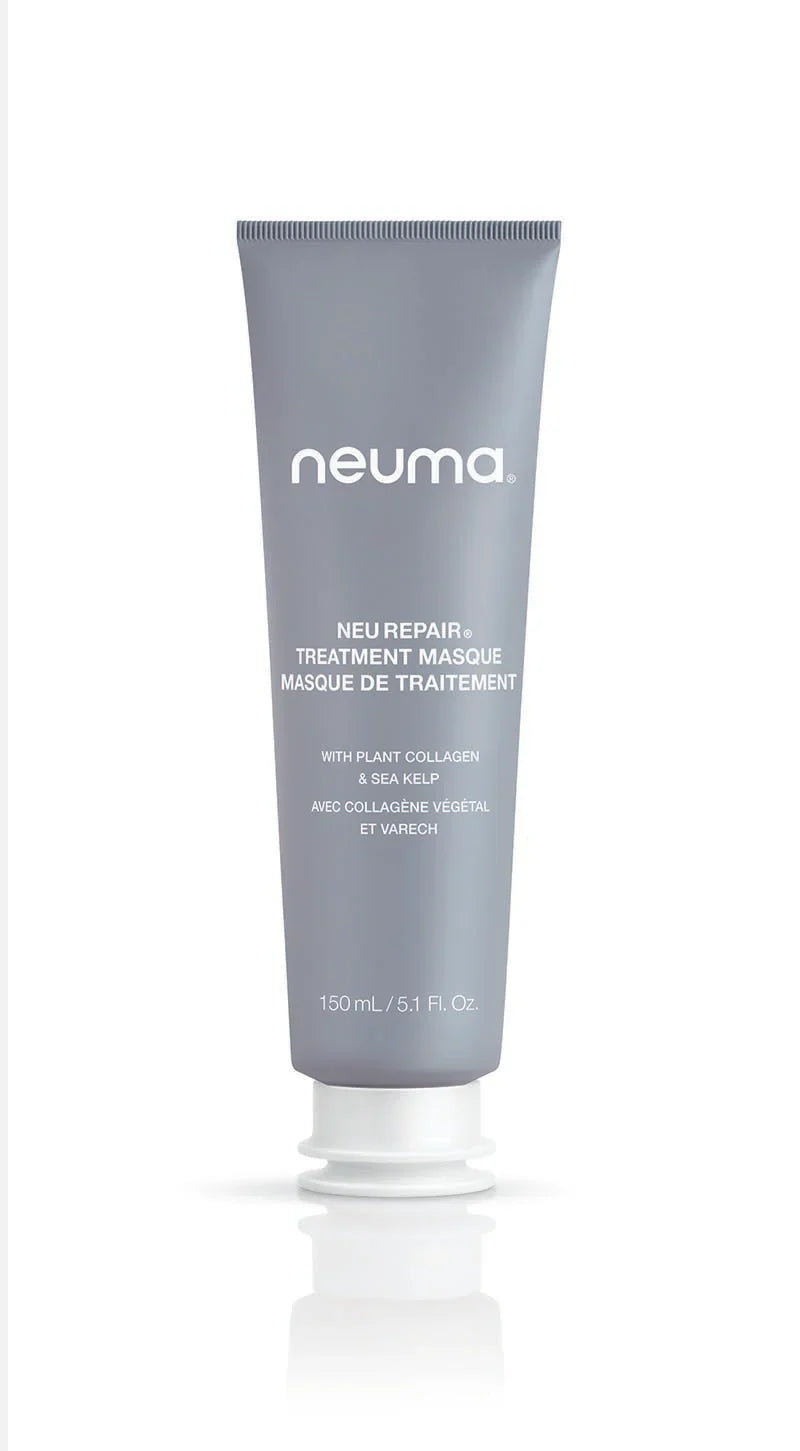
Bond builders and protein treatments — K18, Olaplex No. 3, hydrolyzed protein masks — should be applied immediately after shampooing, before conditioner. These treatments work by penetrating the cortex to repair disulfide bonds or temporarily fill gaps in the cuticle. Applying conditioner first coats the cuticle and significantly reduces penetration of the treatment. The treatment goes on damp, towel-dried hair, sits for the instructed time, and is rinsed before conditioner.
Step 3: Conditioner
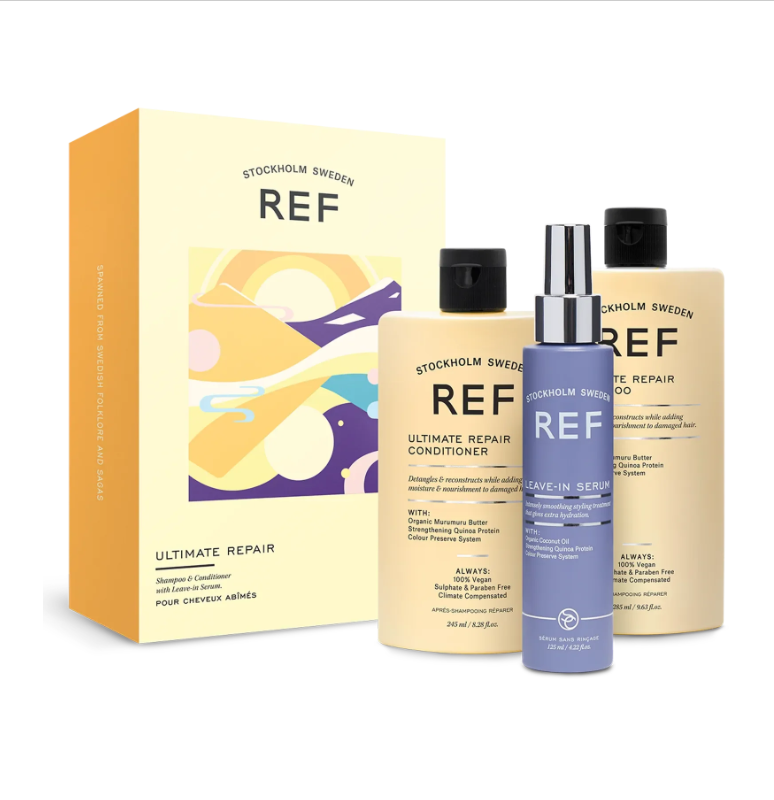
Conditioner is a surface treatment — it deposits cationic (positively charged) compounds that bind to the negatively charged hair shaft, smoothing the cuticle and reducing static and friction. It does not penetrate the cortex and is not intended to. Apply conditioner from mid-lengths to ends, avoiding the scalp unless your conditioner is specifically formulated for scalp use. Let it sit for two to five minutes, then rinse with cool water to help the cuticle lie flat.
Step 4: Leave-in conditioner or essence (damp hair)
Applied to towel-dried, still-damp hair, a leave-in conditioner or hair essence provides a base layer of moisture and light surface protection. Water-based, lightweight formulas go here. These absorb into damp hair more readily than dry hair — the water in the hair acts as a transport medium. This step also provides the foundation that heavier products will seal in.
Step 5: Scalp serum (scalp only)
If your routine includes a scalp serum — a leave-on active treatment targeting the scalp skin rather than the strand — apply it now, directly to the scalp, while the scalp is still slightly damp. Part the hair into sections and apply the serum to the skin, then massage for two to four minutes. Because this is applied to the scalp (not the lengths), it does not interfere with strand-layering order.
Step 6: Hair serum or treatment oil (lengths)
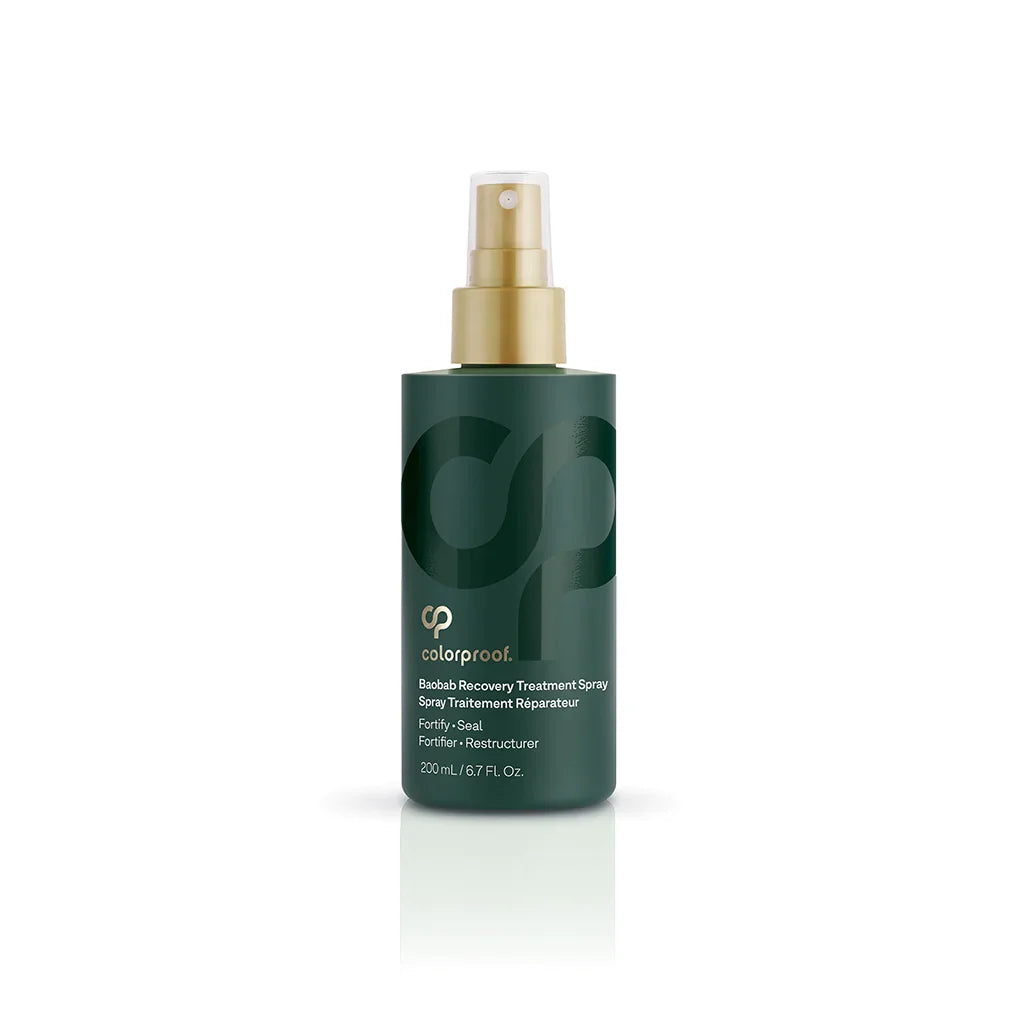
Lightweight serums containing ingredients like argan oil, squalane, or silicone-free polymers go on next. These are more substantive than a leave-in but lighter than a finishing oil. They provide slip for detangling and a degree of heat protection and frizz control before drying.
Step 7: Styling products
Creams, gels, mousses, and curl definers go on at this stage. These are generally higher in polymers and film-forming agents that define, hold, or enhance texture. They sit on the surface and should go on after treatments, not before.
Step 8: Finishing oil or serum (dry hair)
A finishing oil applied to dry hair after styling adds shine and smooths any remaining frizz on the cuticle surface. This is the heaviest step and the last one — a true sealant layer applied after everything else has been absorbed or set.
Common layering mistakes
- Applying treatment over conditioner: The most common mistake. Conditioner coats the cuticle; treatment applied over it sits on that coating and cannot penetrate the cortex where it needs to work.
- Applying oil to dry hair before leave-in: Oil on dry hair before a water-based leave-in creates a barrier the water-based product cannot cross. Oil always goes after water-based products.
- Skipping the damp-hair window: Many treatments and leave-ins work best on damp hair. Applying them to soaking-wet hair dilutes them; applying them to fully dry hair reduces absorption. The towel-dried window is the target.
- Using finishing products mid-routine: Products containing high amounts of silicones or waxes, intended as finishing products, create a seal that blocks everything applied after them. Read your products and identify which are sealants before placing them in your sequence.
Sources
- Robbins CR. Chemical and Physical Behavior of Human Hair. 5th ed. Springer; 2012.
- Gavazzoni Dias MF. Hair cosmetics: an overview. International Journal of Trichology. 2015;7(1):2–15.
- Zviak C, ed. The Science of Hair Care. Marcel Dekker; 1986.
- Cruz CF, et al. Covalent attachment of cationic compounds to human hair surface. Journal of Cosmetic Science. 2013;64(5):329–342.
Explore MDRN Beauty's full treatment and routine lineup here. For more routine guidance, visit the MDRN Edit.