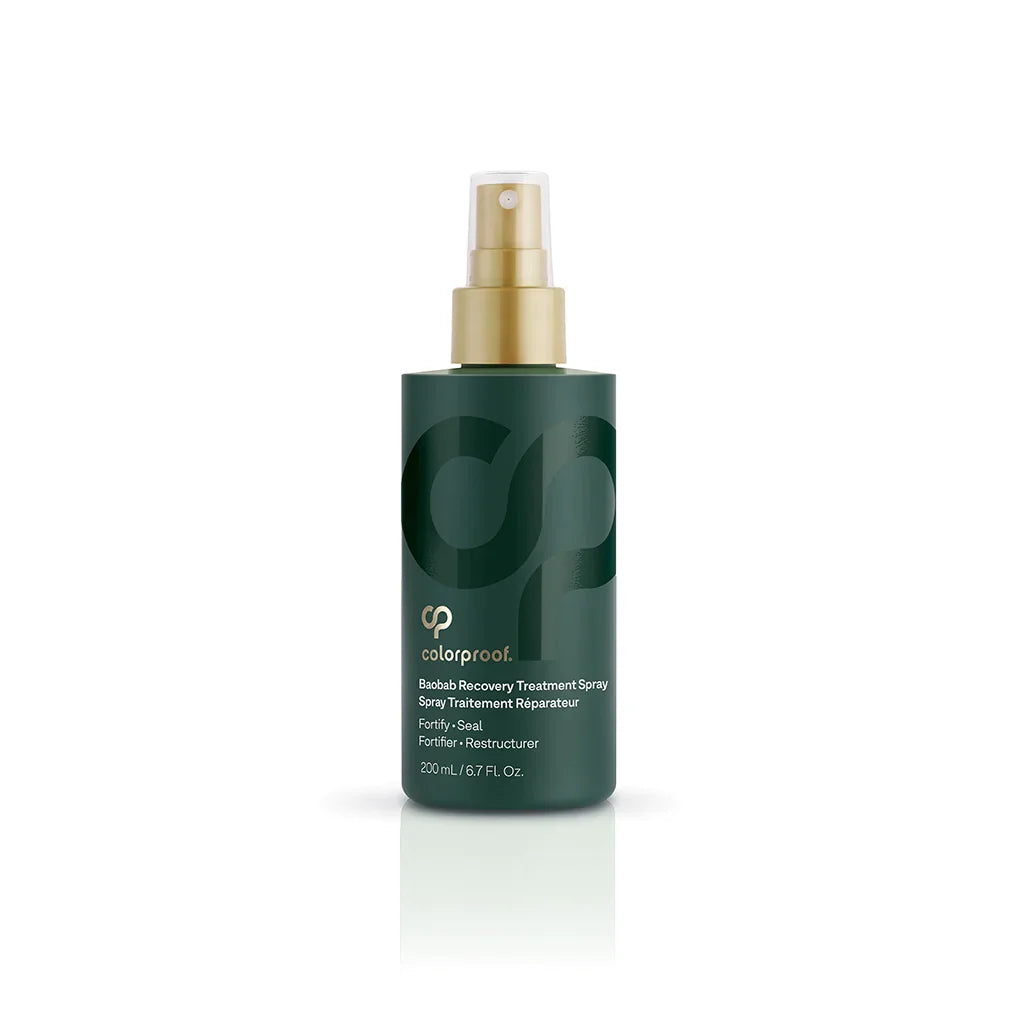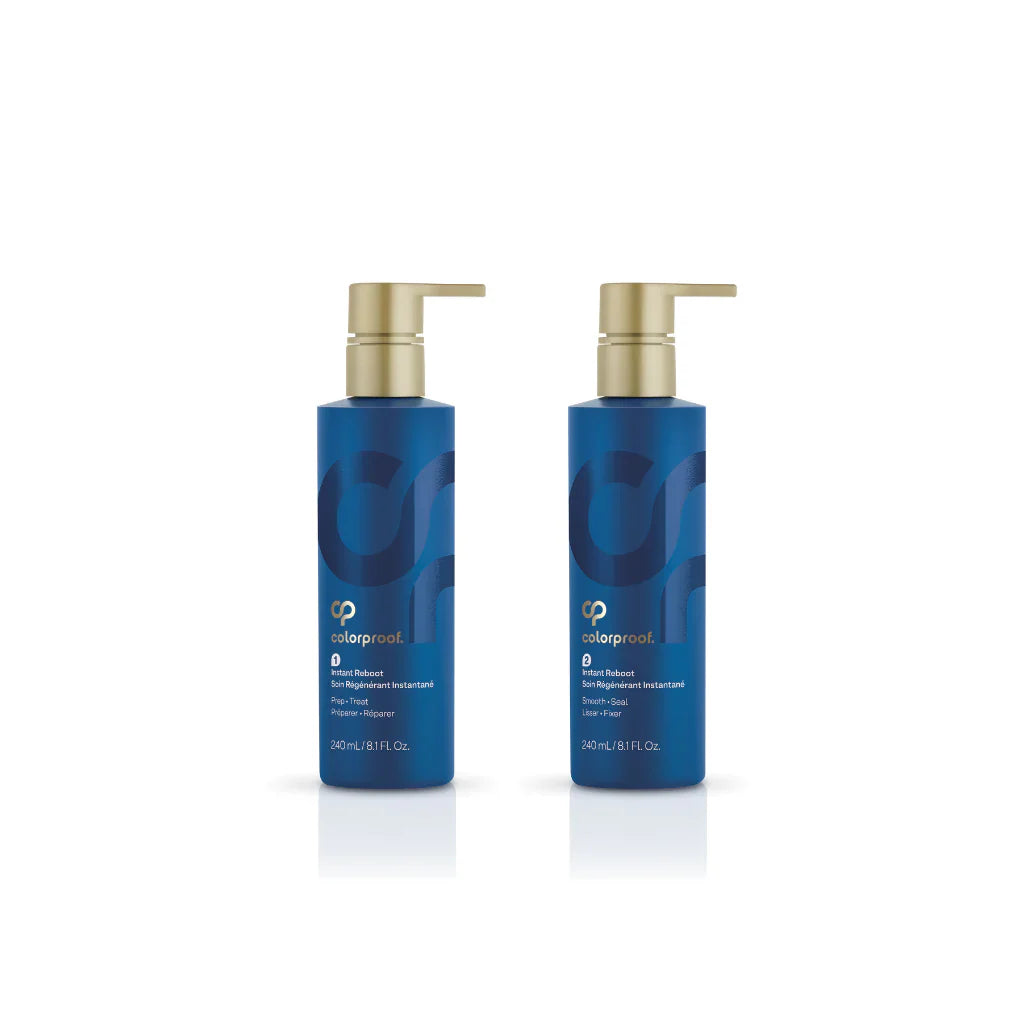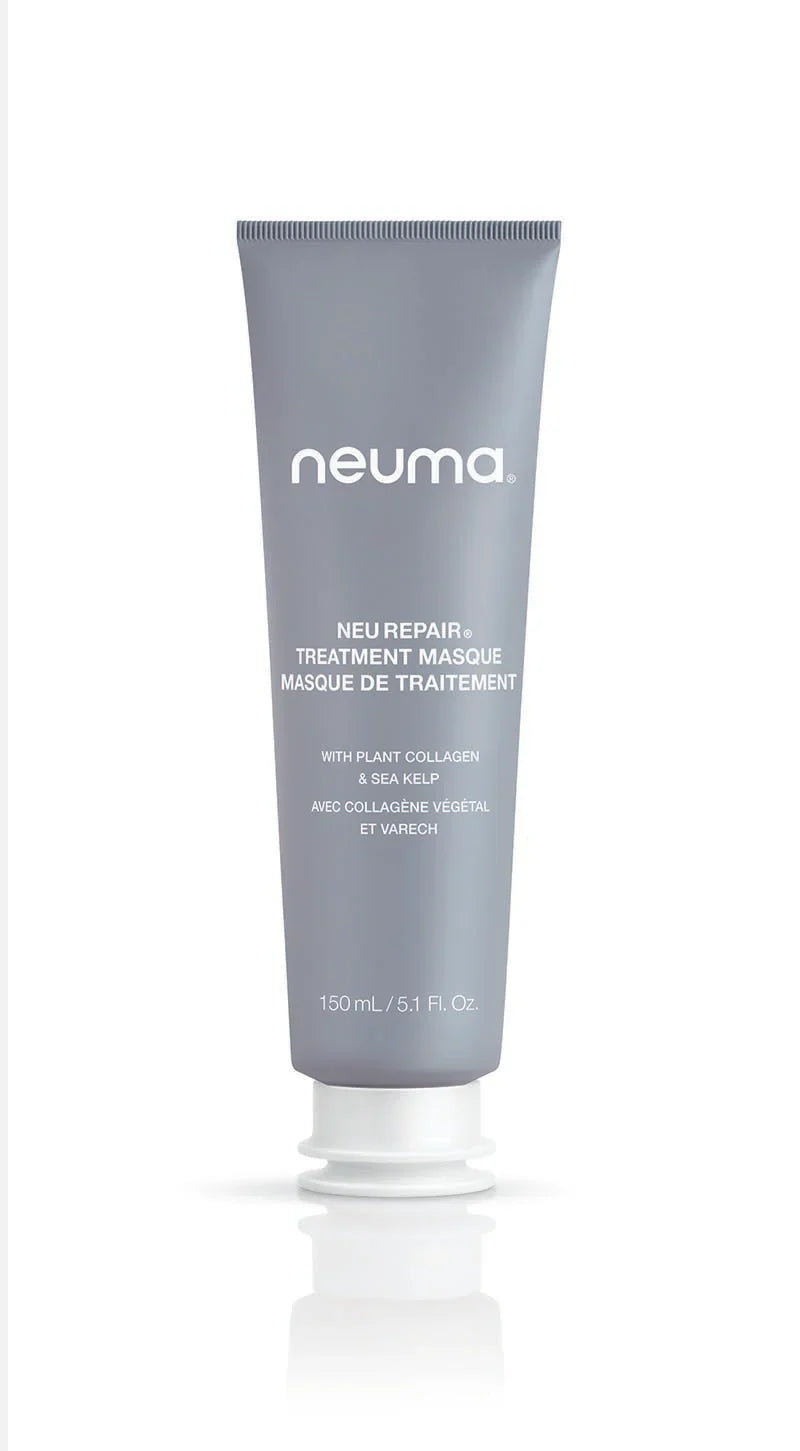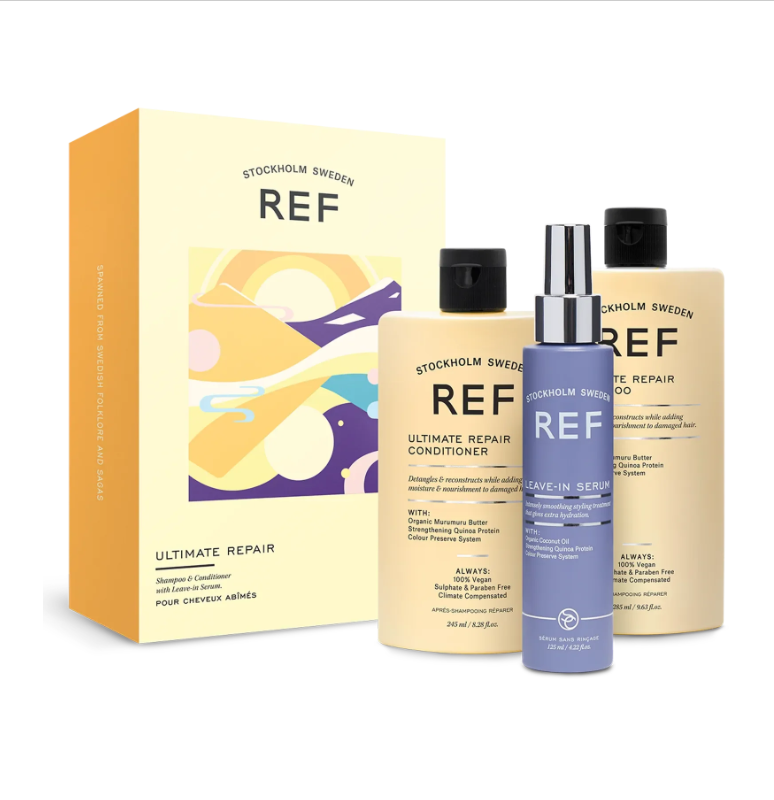
Two people can use the exact same conditioner, on the exact same hair type, and get completely different results. One person's hair absorbs it and comes out soft and manageable. The other person's hair stays coated on the surface, feels heavy, and looks greasy within a day. This is not a myth. It is not a difference in technique. It is almost always a porosity difference.
Hair porosity is one of the most practically important concepts in haircare and also one of the least discussed outside of natural hair communities, which have been working with it as a foundational framework for decades. Understanding your hair's porosity is the difference between buying products that work and buying products that sit on your shelf.
What porosity actually is
The hair shaft has three structural layers: the medulla (innermost core, not always present in fine hair), the cortex (the middle layer that makes up the bulk of the hair and contains melanin granules and the disulfide bonds responsible for hair strength), and the cuticle (the outermost layer, made of flattened, overlapping cells arranged like roof tiles or fish scales).
Porosity refers to the state of the cuticle layer — specifically, how tightly or loosely those overlapping cells lie, and how many gaps or disruptions exist in the cuticle surface. A cuticle with tightly sealed, smooth scales has low porosity: it is resistant to water and product absorption because there are few entry points. A cuticle with raised, damaged, or missing scales has high porosity: it absorbs water quickly but loses it just as quickly because the exits are as open as the entrances.
Low porosity hair
Low porosity hair has a cuticle that is very flat and tightly bound. It is typically associated with unprocessed, chemically untreated hair — particularly hair that has not been significantly heat-damaged. The primary challenge with low porosity hair is getting moisture in: products tend to sit on the surface rather than penetrate, buildup accumulates faster, and the hair can take a long time to fully wet in the shower.
The practical fix: heat. Applying a conditioning treatment under a shower cap and gentle heat (from a hooded dryer, a warm towel, or simply steam from a shower) temporarily lifts the cuticle enough for product to penetrate. Low porosity hair also responds better to humectant-forward formulas — glycerin, aloe vera, honey — rather than heavy oils, which sit on the sealed cuticle and add weight without adding moisture.
High porosity hair
High porosity hair has a cuticle that is raised, damaged, or stripped — typically as a result of chemical processing (bleaching, coloring, relaxing), heat damage, or mechanical stress (aggressive brushing, tight styles, friction from cotton pillowcases). It absorbs moisture readily but cannot hold it: the same gaps that allow water in allow it back out, meaning high porosity hair tends to be dry, frizzy, and prone to breakage.
The practical fix: seal. High porosity hair needs a layered approach: a humectant to attract moisture, a conditioner to hydrate, and a sealing product (butter, oil, or cream) to lock the moisture in before it can escape. Protein treatments are also particularly effective for high porosity hair because the hydrolyzed proteins in these treatments temporarily fill the gaps in the cuticle, reducing porosity until the next wash.
Medium (normal) porosity hair
Medium porosity hair has a cuticle that lies relatively flat but with enough flexibility to allow moderate moisture absorption and retention. This is the baseline: most product recommendations are implicitly written for medium porosity hair, because it responds predictably to standard conditioning and moisture routines. If your hair seems to work fine with most products, medium porosity is likely the reason.
How to assess your porosity
The commonly cited float test — drop a clean strand of hair in a glass of water and observe whether it floats (low porosity) or sinks (high porosity) — is not scientifically validated and produces inconsistent results, partly because product buildup and density variation affect the outcome. A more reliable method is tactile assessment: run a strand of hair between your fingers from tip to root. If it feels smooth with no rough texture, the cuticle is relatively flat (lower porosity). If it feels rough or bumpy, the cuticle is raised (higher porosity).
Your styling history is also a strong indicator. Bleached, highlighted, or color-treated hair is almost always high porosity at the treated sections. Virgin, unprocessed hair that has not been significantly heat-styled tends toward low or medium porosity.
Why porosity changes along the same strand
Hair is a record of its history. The root area reflects your current hair health. The mid-lengths reflect your hair from one to three years ago. The ends are the oldest part of the shaft — potentially two to four years of cumulative exposure to heat, friction, UV, and chemical processes. It is entirely normal for the root to have lower porosity than the ends on the same strand, which is why split application of products — lighter products at the roots, richer products at the ends — is often the most effective approach.
Adjusting your routine by porosity
- Low porosity: Use heat to open the cuticle during conditioning. Prioritize water-based, lightweight formulas. Avoid heavy butters and oils on the scalp. Clarify regularly to prevent buildup.
- High porosity: Layer products (water, then conditioner, then sealant). Use protein treatments monthly. Switch to a satin pillowcase to reduce friction. Apply cold or cool water as a final rinse to encourage the cuticle to lie flat.
- Medium porosity: Maintain with standard conditioning. Rotate protein treatments quarterly. Adjust toward high or low porosity techniques during seasonal changes — humidity raises the cuticle and can push medium porosity hair toward high porosity behavior in summer.
Sources
- Robbins CR. Chemical and Physical Behavior of Human Hair. 5th ed. Springer; 2012.
- Ruetsch SB, et al. Secondary ion mass spectrometric investigation of penetration of coconut and mineral oils into human hair fibers: relevance to hair damage. Journal of Cosmetic Science. 2001;52(3):169–184.
- Bolduc C, Shapiro J. Hair care products: waving, straightening, conditioning, and coloring. Clinics in Dermatology. 2001;19(4):431–436.
Explore MDRN Beauty's treatment lineup here. For more routine guidance, visit the MDRN Edit.